





10 facts about Dirndl and Lederhosen

Get a $10 store credit for your first order
Whether you're gearing up for Oktoberfest, planning a Bavarian-themed event, or simply fascinated by cultural fashion, Dirndl and Lederhosen are two garments with stories far richer than most people realize. These iconic pieces of German Lederhosen and traditional Dirndl dress culture are steeped in history, symbolism, and a few genuinely surprising secrets.
Here are 10 facts about Lederhosen and Dirndl that will make you look at these traditional outfits in a whole new way.
Fact #1: Lederhosen Are Much Older Than Oktoberfest
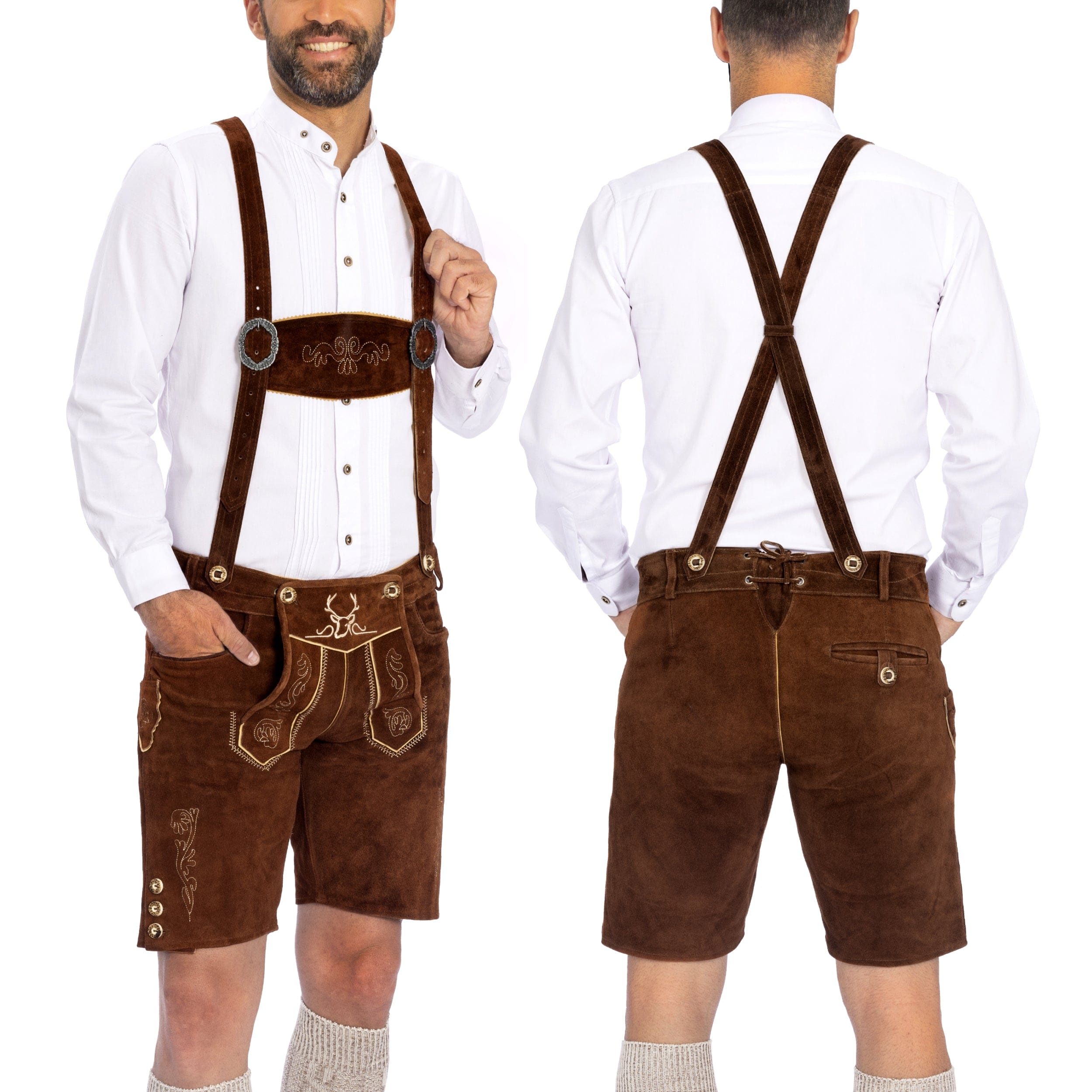
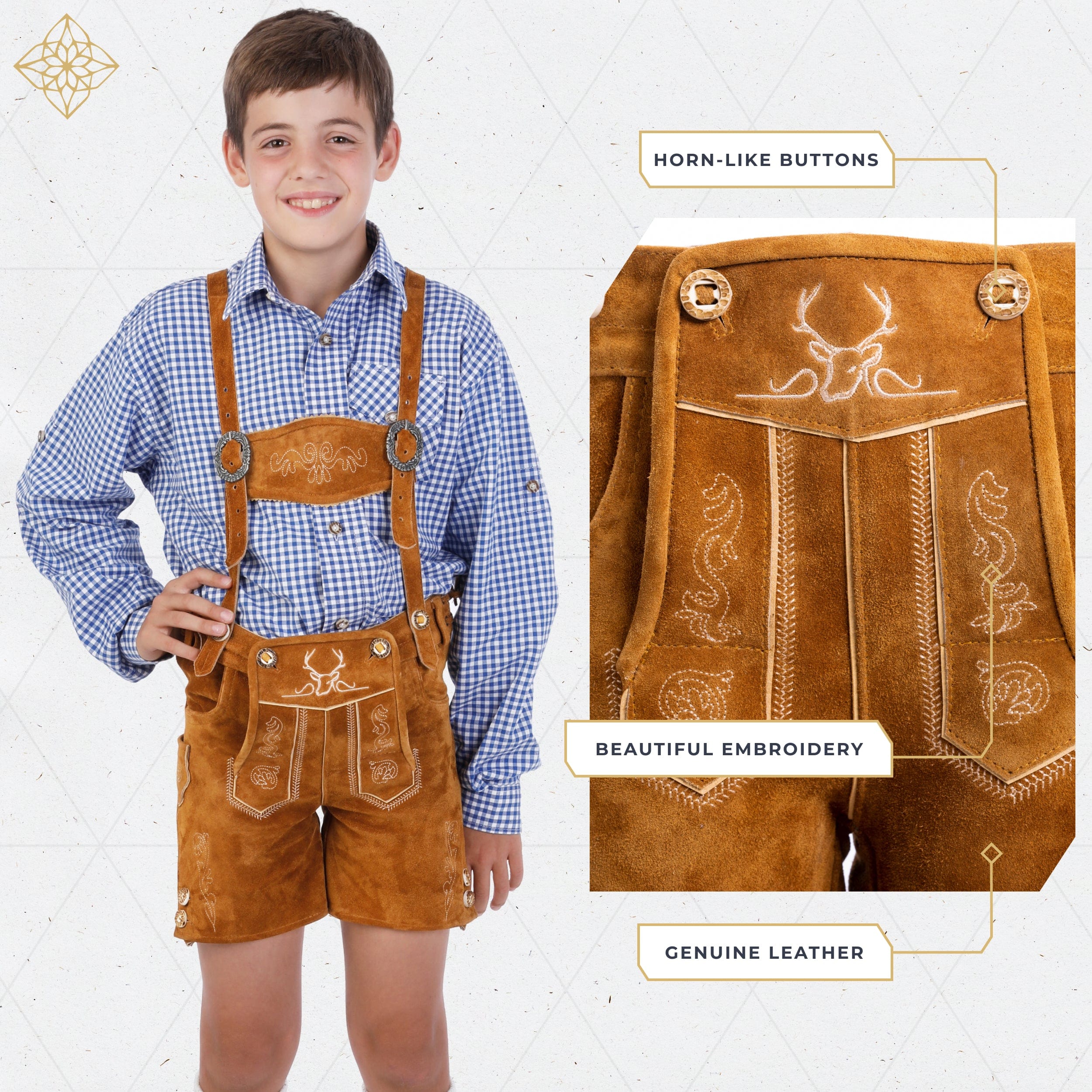
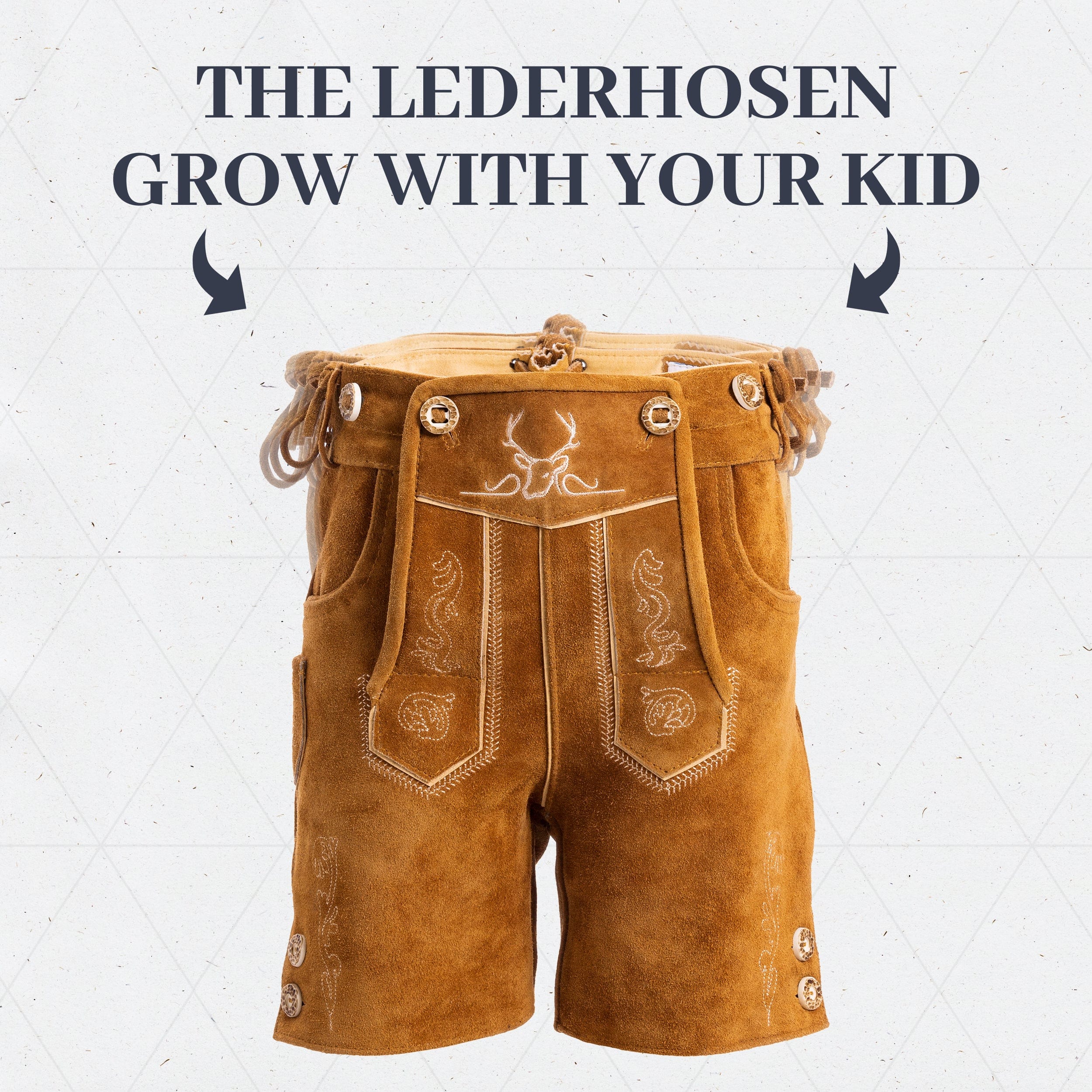
When most people think of Lederhosen men wearing leather shorts, they picture Munich's famous beer festival. But traditional Lederhosen predate Oktoberfest by at least a century. Dating back to the early 1700s, Lederhosen (which literally translates to "leather trousers" in German) were the everyday workwear of Alpine farmers, hunters, and laborers.
The thick leather protected against rough terrain, thorny brush, and harsh mountain weather, making them a purely practical garment long before they became a cultural symbol. It wasn't until the 19th century that Bavarian Lederhosen transformed from workwear into a proud emblem of regional identity.
Fact #2: Lederhosen Aren't Exclusively Bavarian
Here's a fact that surprises many: authentic Lederhosen don't belong to Bavaria alone. Austrians, Swiss, and South Tyroleans have equally deep traditions of wearing leather trousers. Throughout the broader Alpine region, this style of dress was common across multiple cultures, each with slight regional variations in embroidery, cut, and color.
So while German Lederhosen are the most internationally recognized, calling them purely "Bavarian" overlooks a rich, shared Alpine heritage.
Fact #3: The Dirndl Dress Started as a Maid's Uniform
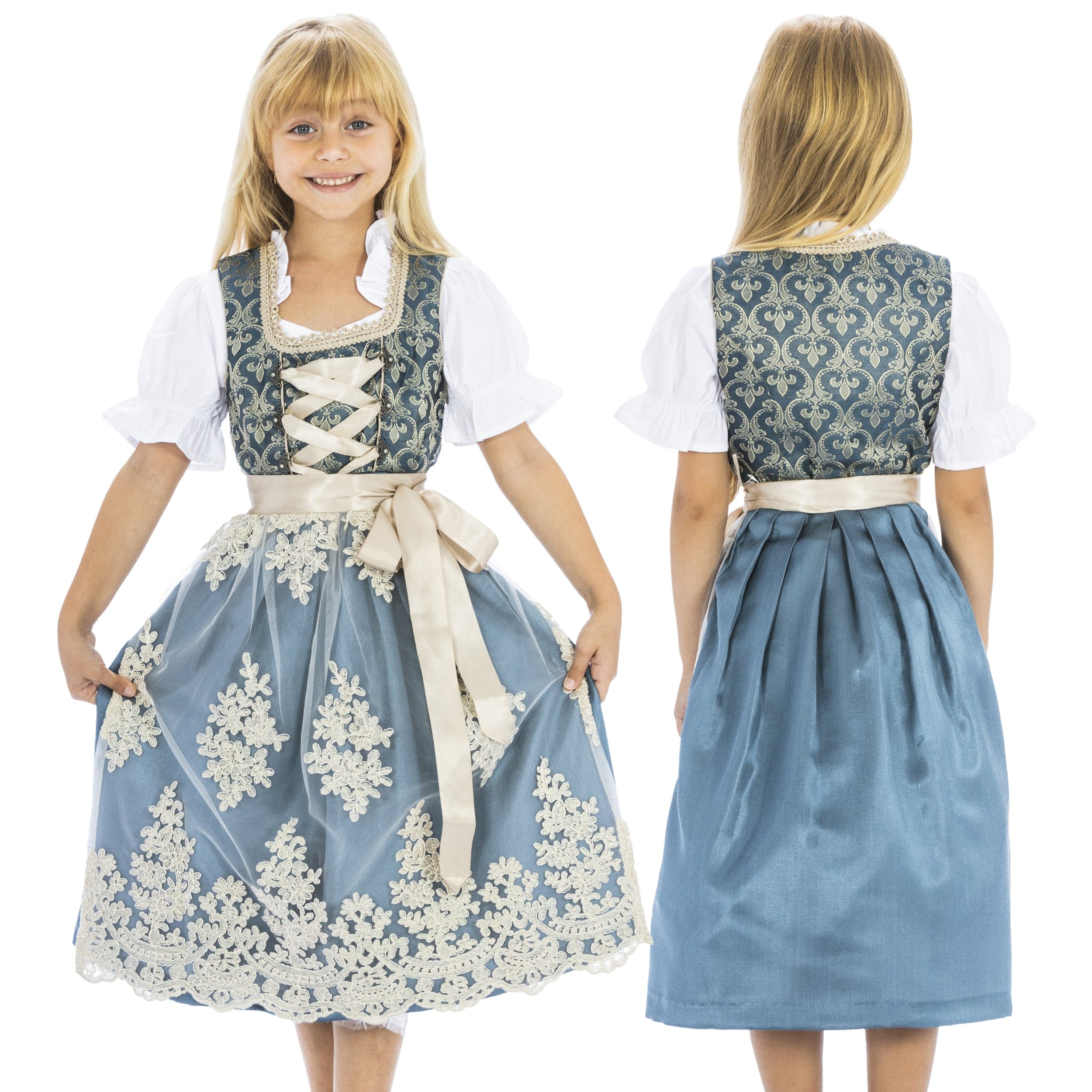
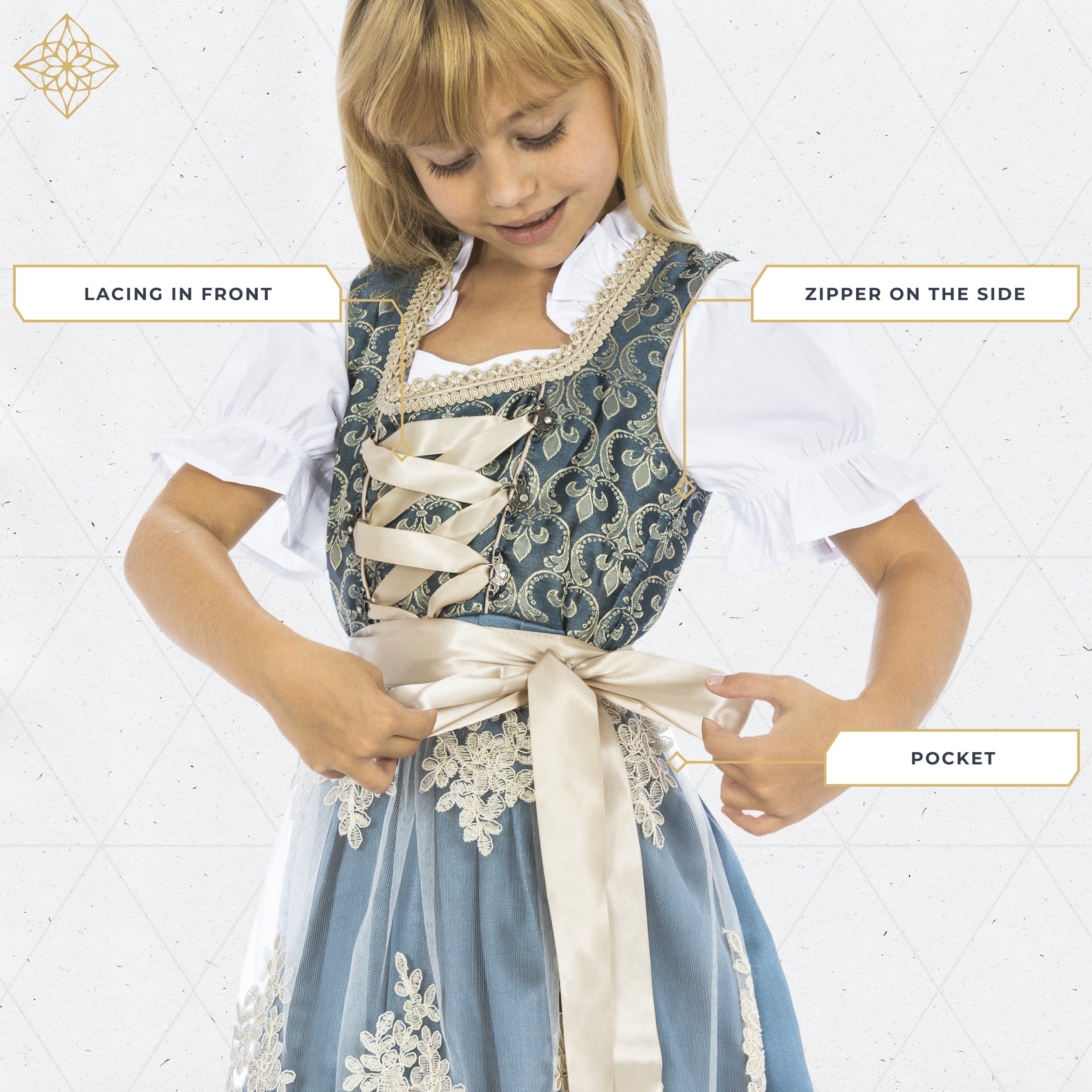
The stunning traditional Dirndl dress worn at Oktoberfest today has surprisingly humble origins. In the 19th century, the Dirndl was simply the practical uniform of Austrian and Bavarian household servants, designed for durability and ease of movement during domestic work.
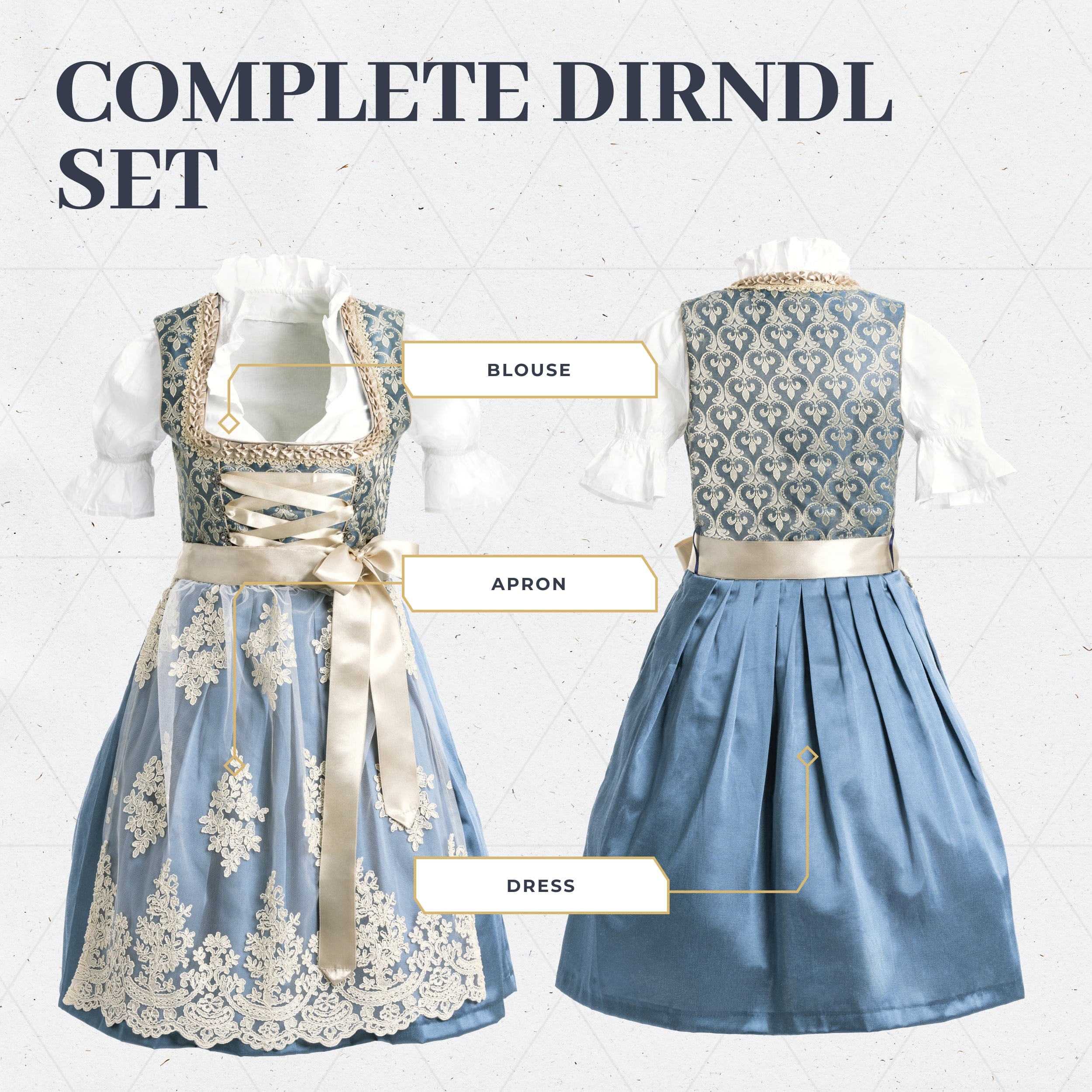
The bodice, full skirt, and apron that define the German Dirndl dresses were functional features, not fashion statements. Over time, the style was embraced by women of all social classes as a symbol of rural elegance, eventually evolving into the authentic Dirndl dress styles we celebrate today.
Fact #4: The Dirndl Apron Bow Is a Secret Code
One of the most fascinating Dirndl facts involves a hidden message most people completely miss. The position of a woman's apron bow on her Dirndl dress communicates her relationship status:
- Bow tied on the left → She is single (and potentially available)
- Bow tied on the right → She is in a relationship or married
- Bow tied at the back → She is a widow, or working as a waitress
Next time you're at an Oktoberfest Dirndl event, you'll know exactly what to look for, and where to tie yours.
Fact #5: The Catholic Church Once Declared Lederhosen "Immoral"
This is one of the most extraordinary Lederhosen facts in history. In 1913, the Archbishop of Munich officially declared Men's Lederhosen to be immoral. The Catholic Church objected to the snug fit and revealing nature of traditional leather shorts, and some church buildings still technically prohibit them during services.
Despite this ecclesiastical disapproval, Lederhosen survived, and thrived. Today, attitudes have softened considerably. People are even permitted to get married wearing their Lederhosen outfit, a fact that would have scandalized the early 20th-century clergy.
Fact #6: Jeans Nearly Killed Off the Lederhosen
In the 1870s, a newly invented garment out of San Francisco began conquering the world: blue jeans. Lighter, cheaper, and seen as fashionable by the younger generation, denim rapidly displaced leather trousers across Europe.
Here's the remarkable coincidence, the inventor of blue jeans, Levi Strauss, was himself a Bavarian who emigrated to California. His vision for jeans was almost identical to the philosophy behind traditional Lederhosen: clothing that can endure anything.
Bavarian Lederhosen were rescued from near-extinction in 1887, when they were officially designated as the traditional outfit for men at Oktoberfest, a designation that restored their cultural prestige.
Fact #7: The word "Dirndl" literally means "young girl"
The word "Dirndl" comes from the Bavarian dialect meaning "young girl" or "young woman", originally referring to a 19th-century servant's work dress called the Dirndlgewand ("maid's outfit").
Fact #8: The Embroidery on Lederhosen Once Told Your Story
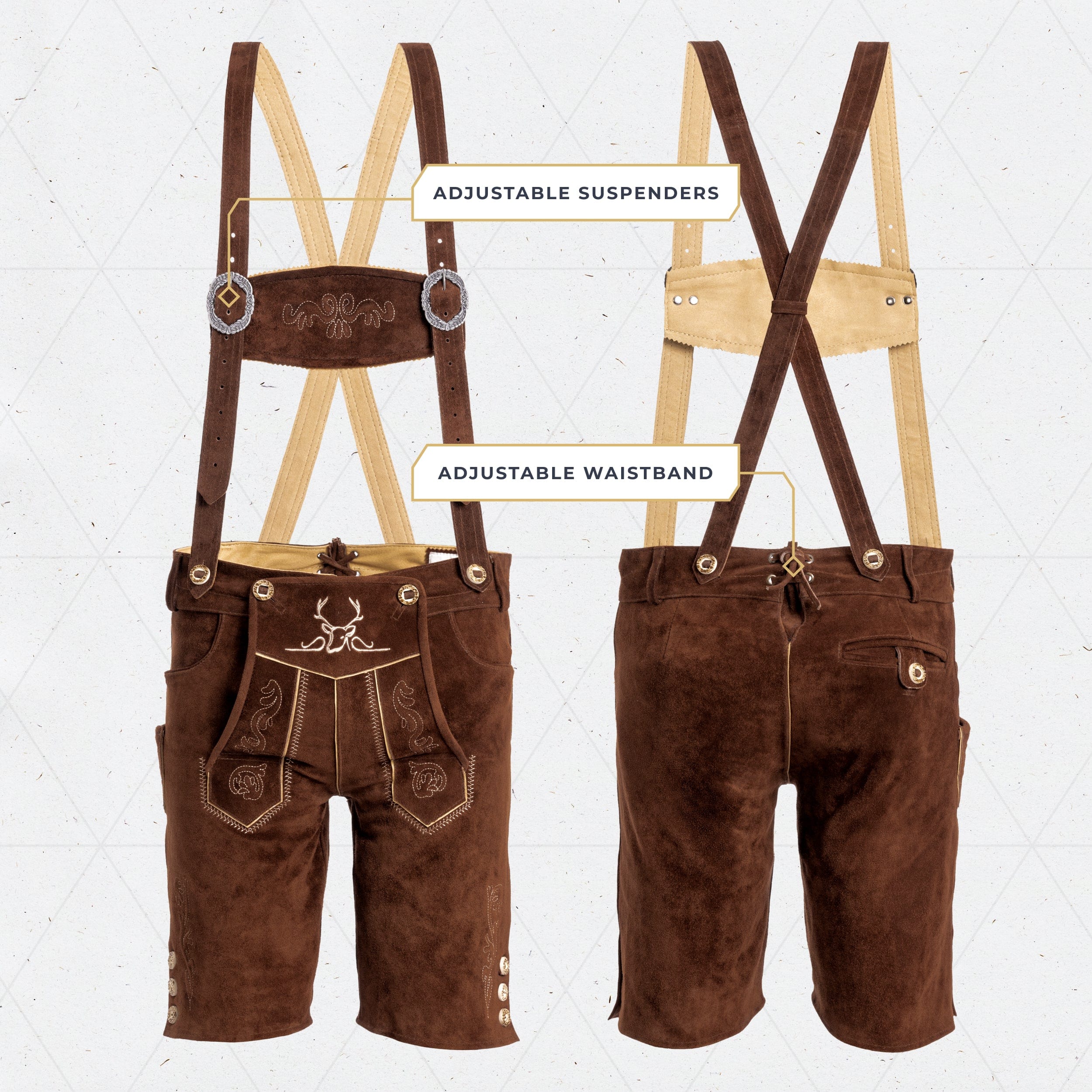
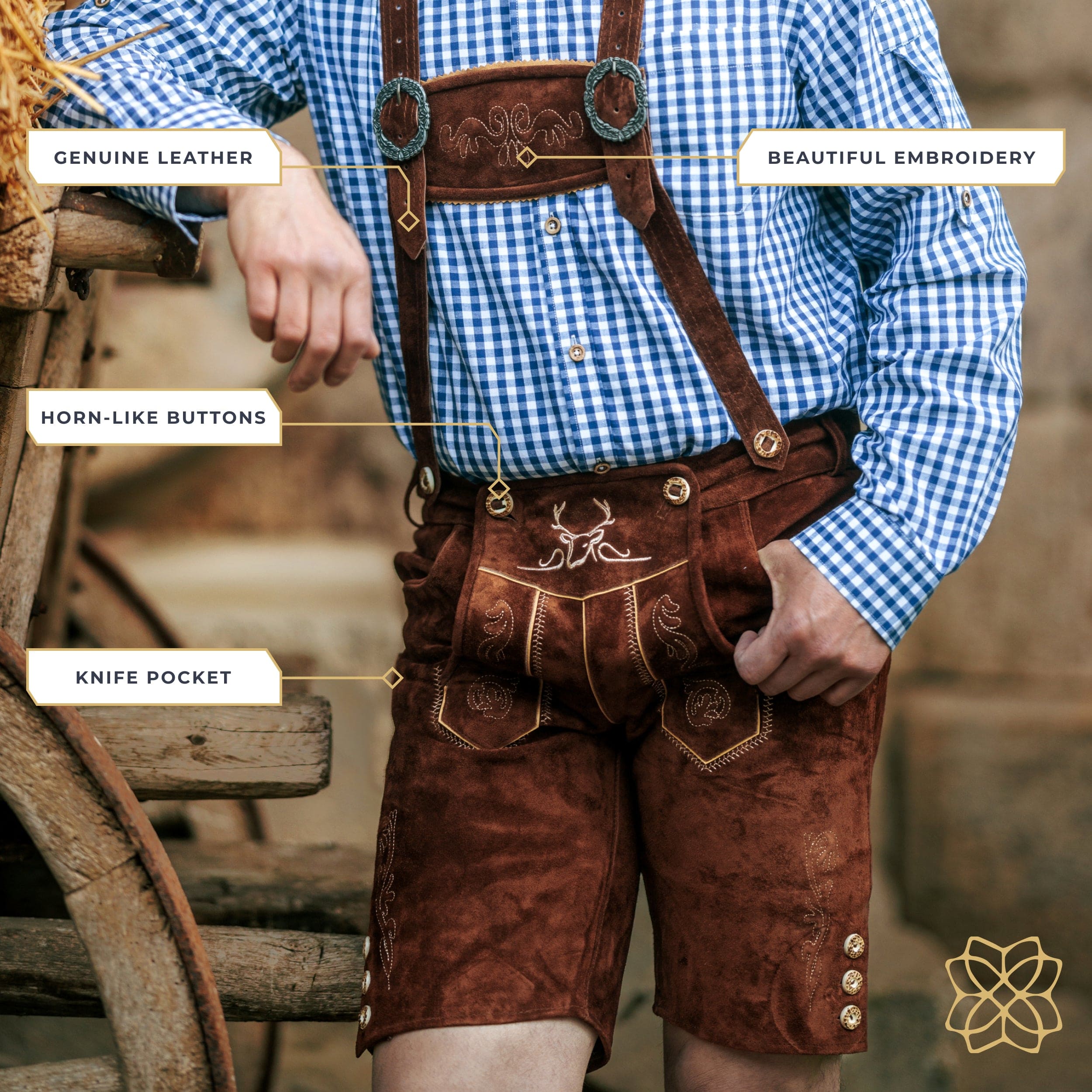
The intricate hand-stitched embroidery that decorates traditional Lederhosen isn't just decorative, it originally carried meaningful information. Each embroidery pattern and motif indicated the specific Alpine region the wearer came from, functioning as a kind of textile identity card.
As Bavarian Lederhosen became fashionable beyond working-class communities, wealthy craftsmen began creating more elaborate, finer-quality versions. Men started keeping multiple pairs: a sturdy goatskin version for everyday work and a premium deerskin set with rich embroidery for festivals and celebrations, an early example of occasion dressing.
Fact #9: Dirndl and Lederhosen Are Surprisingly Eco-Friendly
In an era of fast fashion and disposable clothing, Dirndl and Lederhosen stand out as genuinely sustainable choices. Made from natural materials - real leather, linen, cotton, and wool, these garments are built to outlast entire generations.
Traditional Dirndl dresses are regularly passed down through families as heirlooms. Authentic Lederhosen resist weather, staining (beer spills at Oktoberfest included), and general wear in ways that synthetic fabrics never could. Choosing traditional Oktoberfest Lederhosen or an authentic Dirndl is, in a very real sense, an investment in slow fashion.
Fact #10: Dirndl and Lederhosen Have Conquered the Global Fashion World
Perhaps the most remarkable chapter in the story of Dirndl and Lederhosen is their journey from Bavarian villages to international runways. Designers including Vivienne Westwood and Dolce & Gabbana have incorporated Dirndl-inspired elements into high-fashion collections.
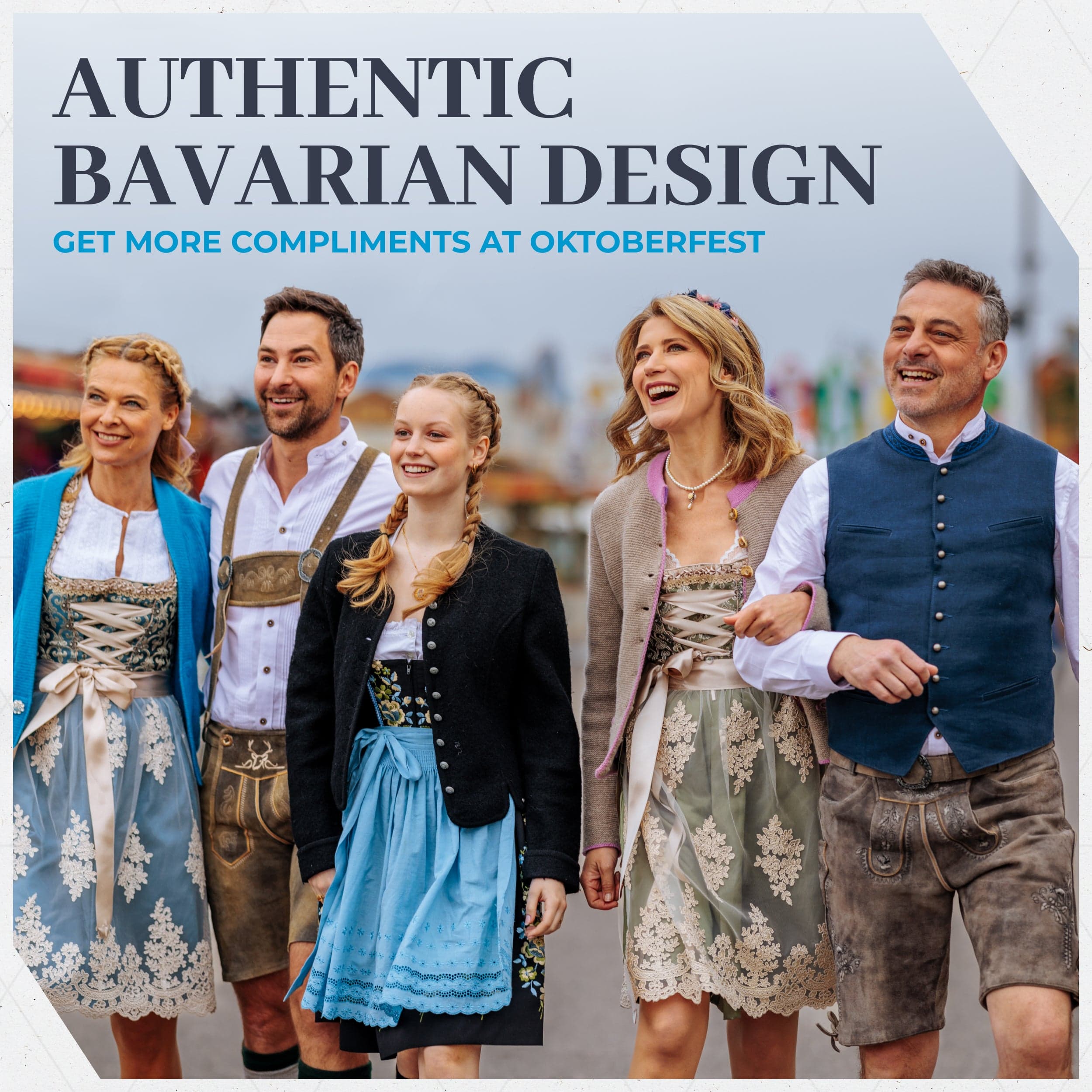
Oktoberfest Lederhosen and Oktoberfest Dirndl events now take place on every continent, from the United States and Canada to Japan and Australia. Celebrities regularly embrace Bavarian trachten, bringing German Lederhosen and Dirndl dresses into the global cultural conversation.
Meanwhile, in a quirky nod to Lederhosen's practical roots, Hamburg's police dog handlers still wear leather trousers on duty, proving that what started as Alpine workwear is still, 300 years later, considered the most functional choice for tough conditions.
Final Thoughts: More Than Just Costumes
The next time you slip into a pair of traditional Lederhosen or tie the bow on your Dirndl dress, you're participating in a tradition that has survived industrialization, ecclesiastical bans, the invention of blue jeans, and two world wars. These garments carry centuries of Alpine identity, craftsmanship, and cultural pride.
Whether you're looking for Oktoberfest Lederhosen, a beautiful traditional Dirndl dress, or simply want to understand the culture behind the clothing, the story of Dirndl and Lederhosen is one of the most fascinating in fashion history.
Bavaria Trachten is all about Oktoberfest, tradition, and showing up in style. With deep German roots, we create authentic Oktoberfest outfits that bring Bavarian culture to life for celebrations across the U.S. and beyond.
Popular Posts
Products mentioned on this page:



Get a $10 store credit for your first order
Products mentioned on this page:


Leave a comment