





Lederhosen vs. Dirndl: Understanding the Key Differences

Get a $10 store credit for your first order
When people think of Bavarian traditional clothing, two iconic garments immediately come to mind: the rugged, practical looks of men's Lederhosen and the romantic, structured lines of a Dirndl dress. These outfits are more than garments: they’re expressions of cultural identity, history, and festive spirit. But what exactly sets them apart? And how do you decide which style fits your event, personality, or cultural curiosity?
In this guide, we break down everything you need to know about Lederhosen vs. Dirndl from history and construction to modern style and how fans search for them online.
What Are Lederhosen?
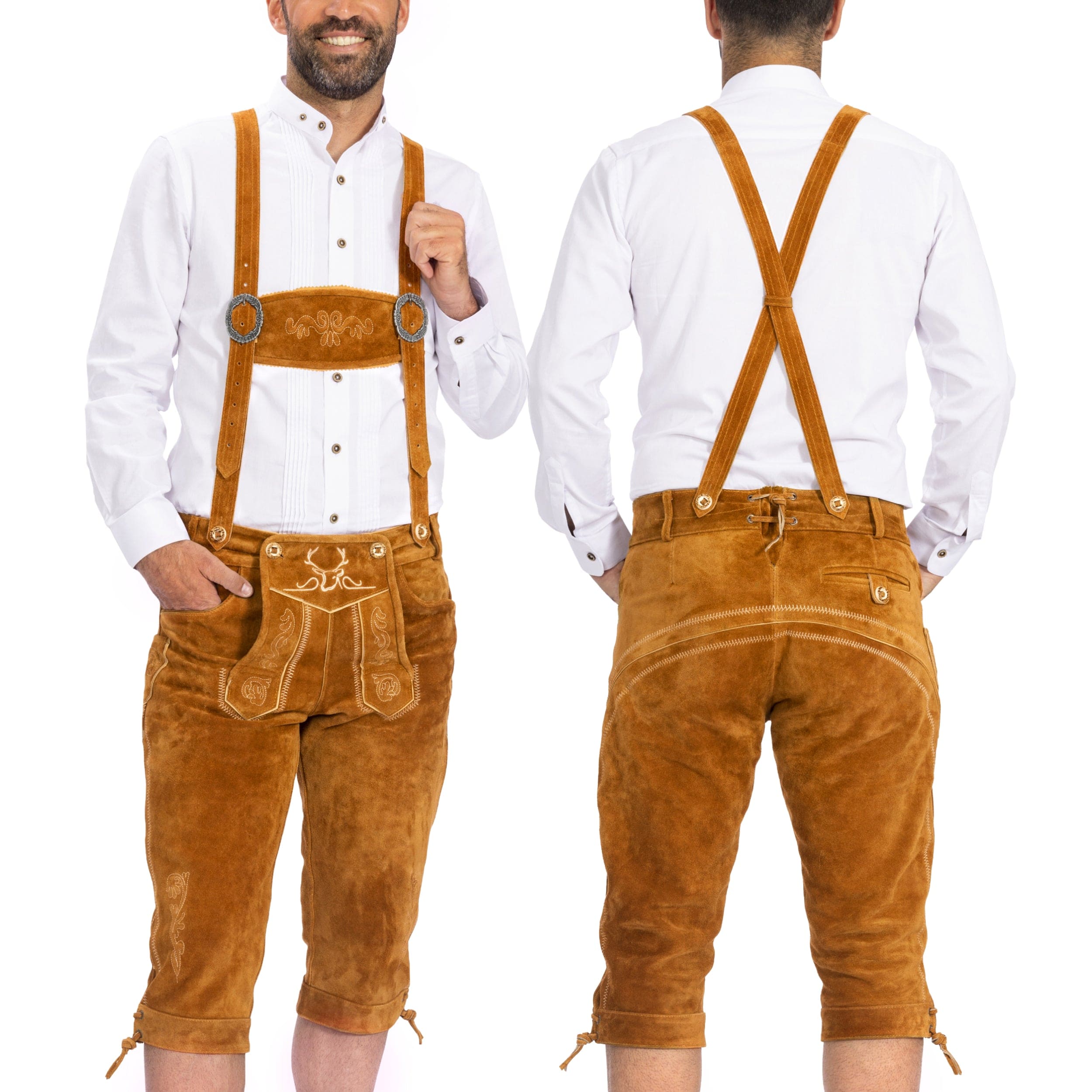
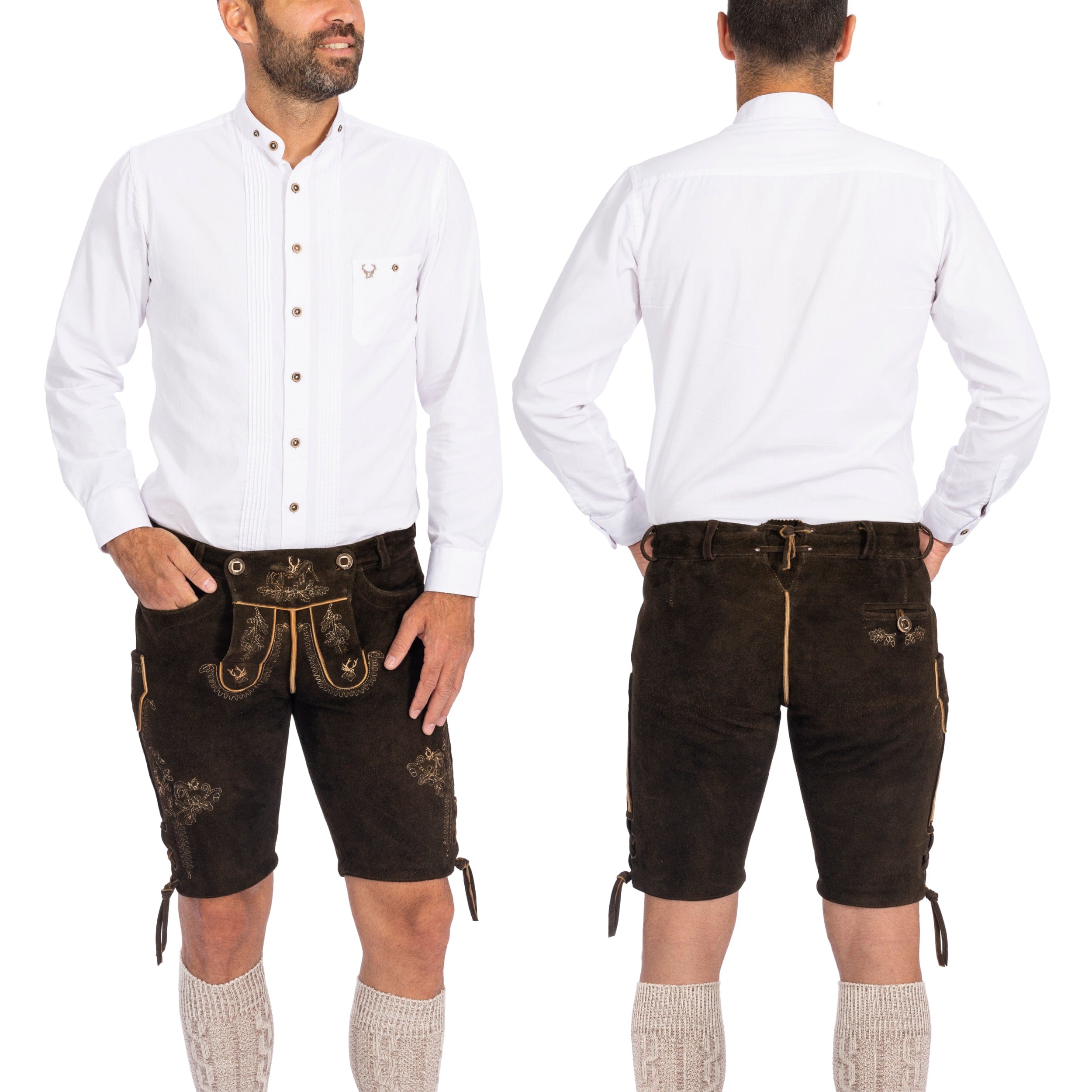
Lederhosen are traditional leather trousers originally worn by working-class men in Bavaria and the Alpine regions. The word Lederhosen literally means “leather pants,” and they were designed for practicality, durability, easy to wash, and resistant to rugged outdoor work.
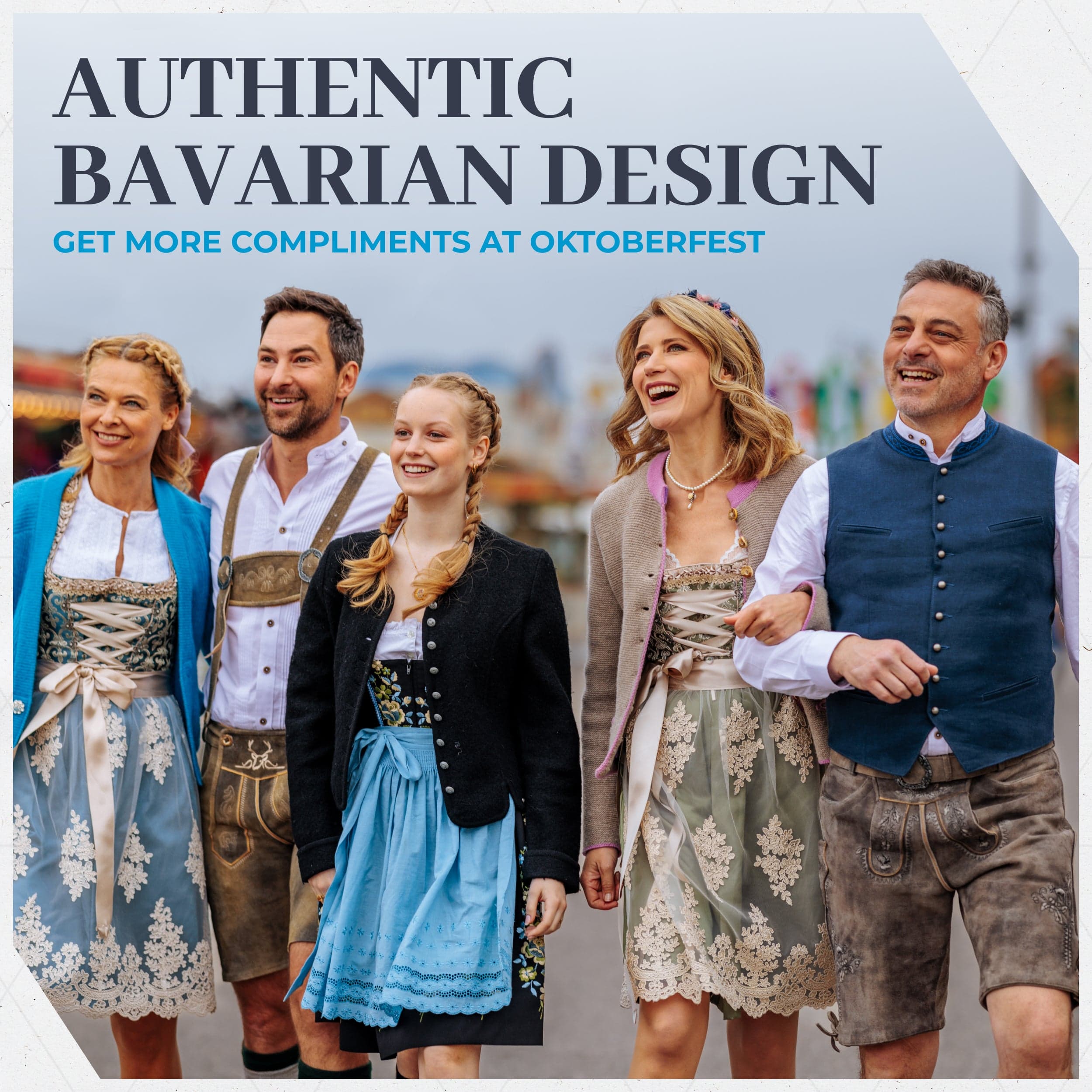
Historically, Lederhosen were everyday wear for farmers, hunters, and laborers. Today, they are most commonly seen at cultural festivals, especially Oktoberfest, where both locals and visitors don these garments as a celebration of heritage.
What makes Lederhosen distinct?
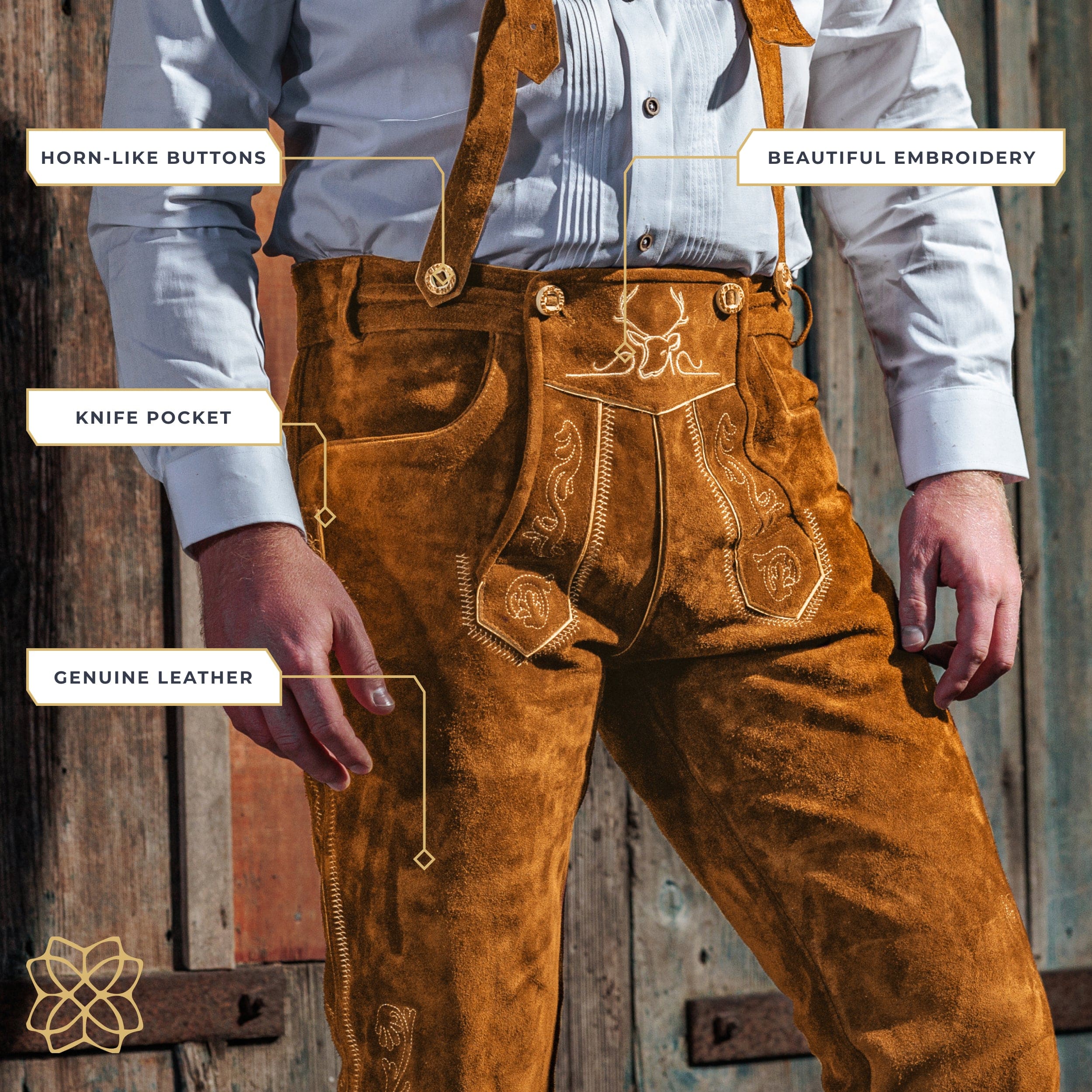
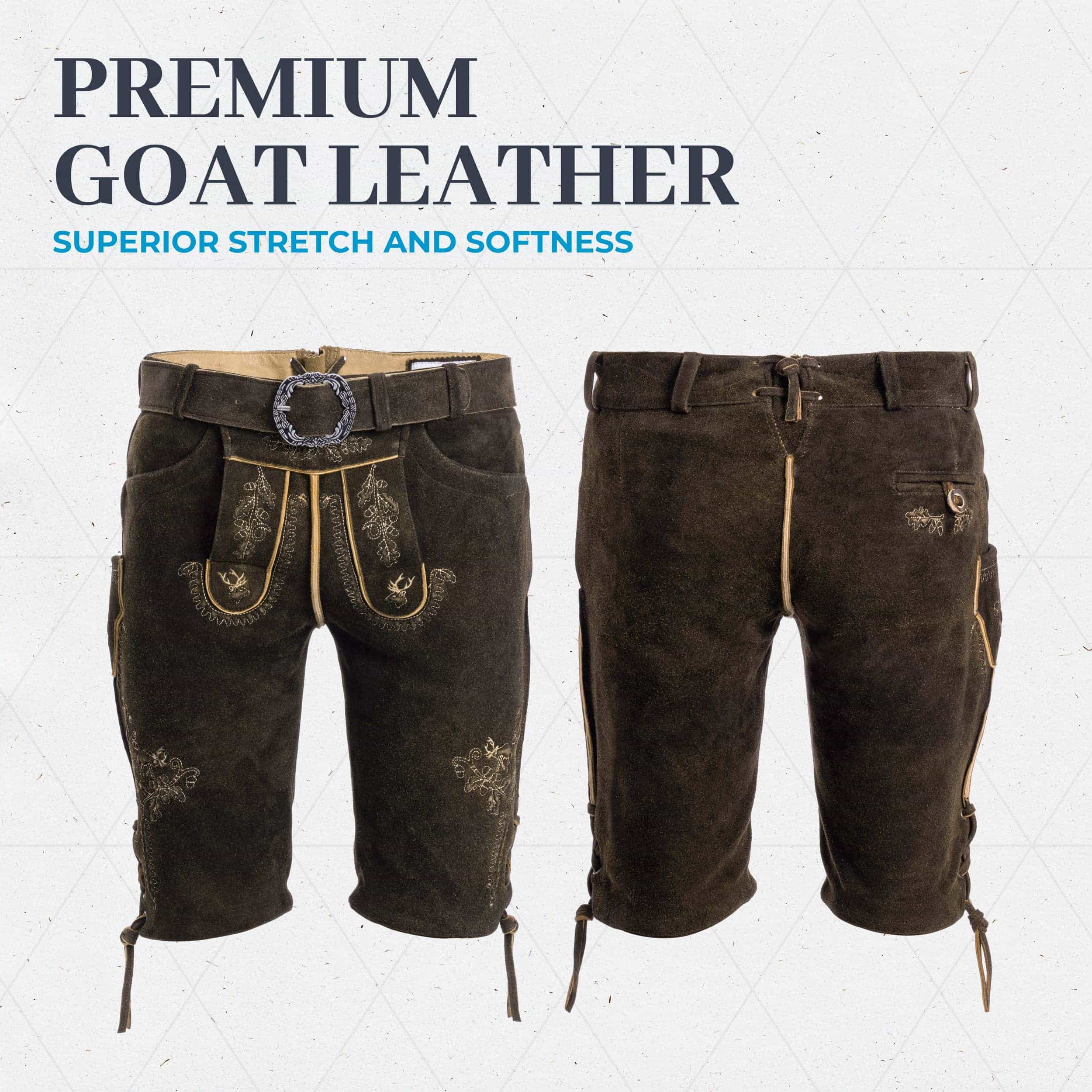
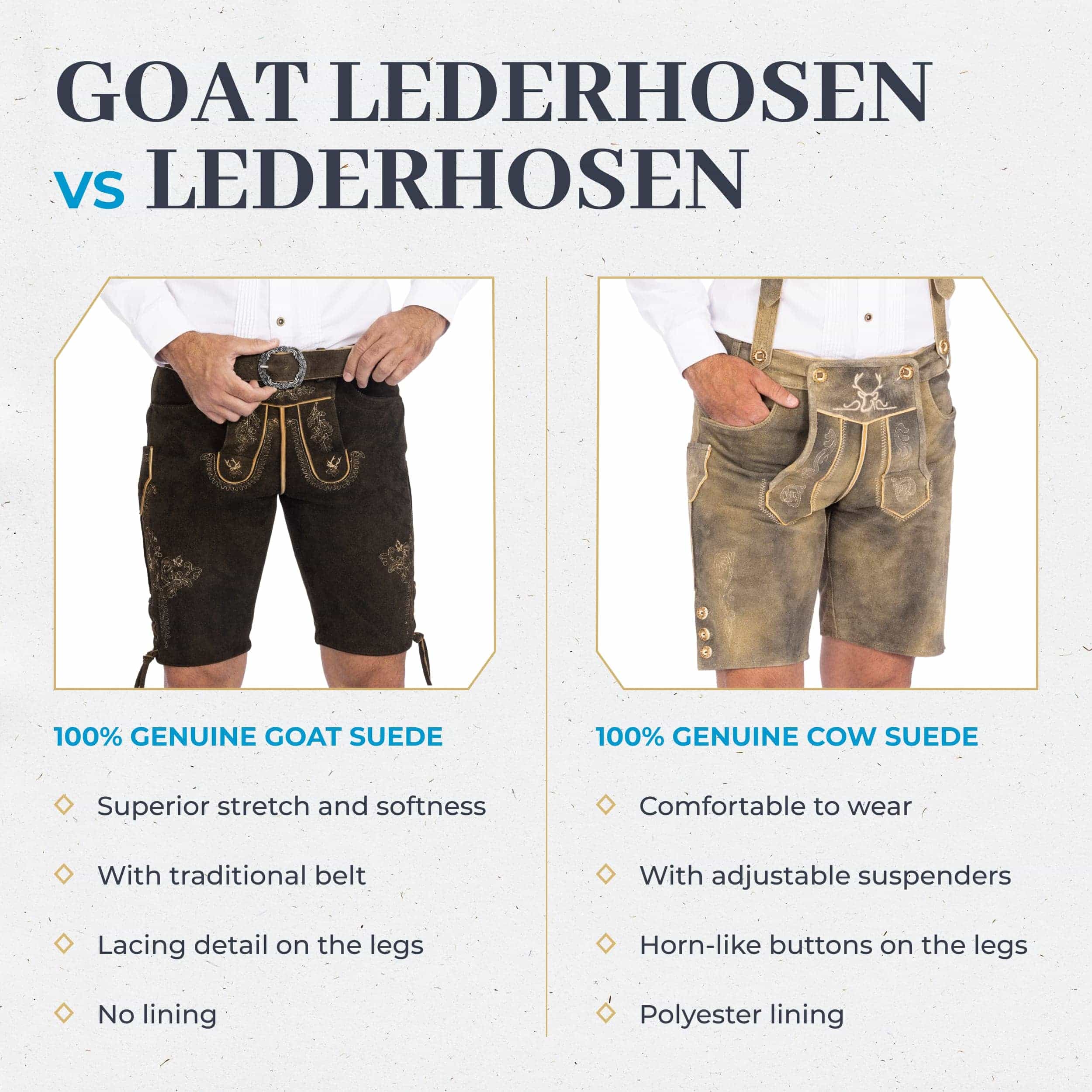
- Tough, thick leather material (often deer or goat)
- Knee-length or shorter cuts
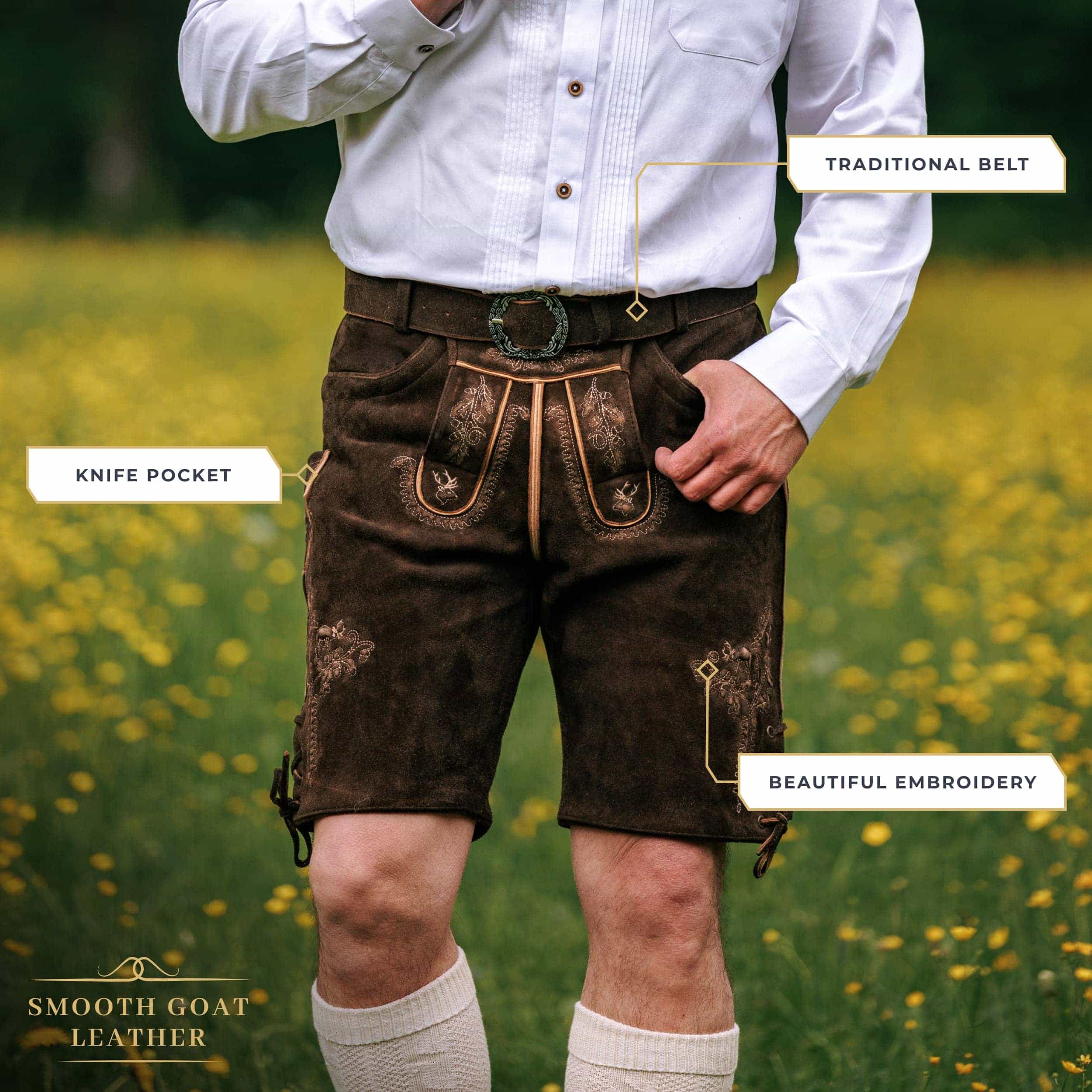
- Embroidery and decorative stitching
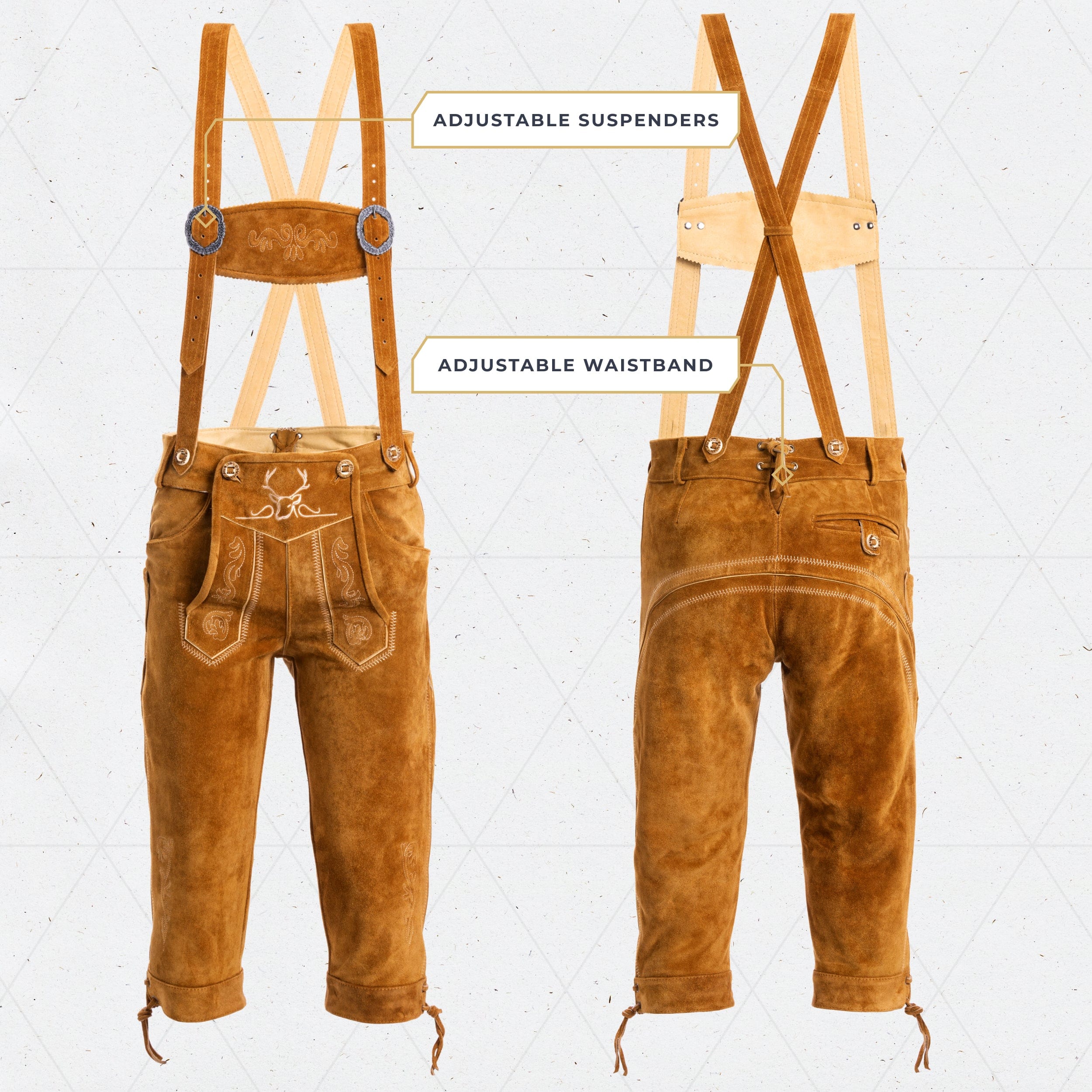
- Buttons, braces (suspenders), and rustic accents
Bavarian Lederhosen are no longer just men’s garments either. You’ll find women's Lederhosen versions with tailored fits, shorter cuts, and fashion‑forward details that respect tradition but cater to modern tastes.
What Is a Dirndl?
While Lederhosen were rooted in function, the Dirndl was born from traditional women’s workwear practical dresses worn by rural women in the Alps. Today, the Dirndl is artistic and celebratory, with fitted bodices, full skirts, and eye‑catching aprons.
The women's Dirndl silhouette emphasizes waist and shape, often with lacing, embroidery, and traditional patterns. It has become a classic choice for festivals, weddings, and cultural showcases.
Dirndls evolved into many variations:
- Simple cotton styles for daytime wear
- Velvet and satin gowns for special occasions
- Shorter, flirtier Oktoberfest Dirndl dress versions popular with younger crowds
The way a Dirndl is worn and accessorized can communicate different styles from traditional and modest to bold and modern.
Lederhosen and Dirndl: Key Differences
Material & Construction
|
Feature |
Lederhosen |
Dirndl |
|
Primary Material |
Leather |
Cotton, linen, silk |
|
Structure |
Trousers (short or knee‑length) |
Dress with bodice, skirt, apron |
|
Fit |
Loose to mid‑fit |
Fitted bodice, flared skirt |
|
Embellishment |
Stitching, rustic trims |
Laces, embroidery, ribbon |
Lederhosen rely on the strength and durability of leather, making them sturdy and long‑lasting garments. Dirndls, on the other hand, offer variety in fabrics and finishes, allowing for a broader range of styles.
These differences reflect origin: practical workwear versus embellished traditional dress.
Origins & Cultural Meaning
Understanding Bavarian traditional clothing requires a bit of history:
-
Lederhosen: Emerged among Alpine peasants and rural workers. Leather was practical and tough against brush, dirt, and long days of labor. Because leather doesn’t tear easily, it became a symbol of durability and resilience. Over time, ornate embroidery signaled regional identity and pride.
-
Dirndl: Originally utilitarian dresses worn by housemaids and farmwives. The iconic apron and bodice became embellished over time, especially in urban interpretations. Today’s modern Dirndls still nod to their roots but are often designed with fashion trends in mind.
Both garments now celebrate heritage and community, especially at gatherings like Oktoberfest.
Lederhosen vs. Dirndl at Oktoberfest
Nothing says Oktoberfest like traditional attire. For many visitors, deciding between Lederhosen or a Dirndl is one of the first cultural choices they make.
At Germany’s biggest beer festival:
-
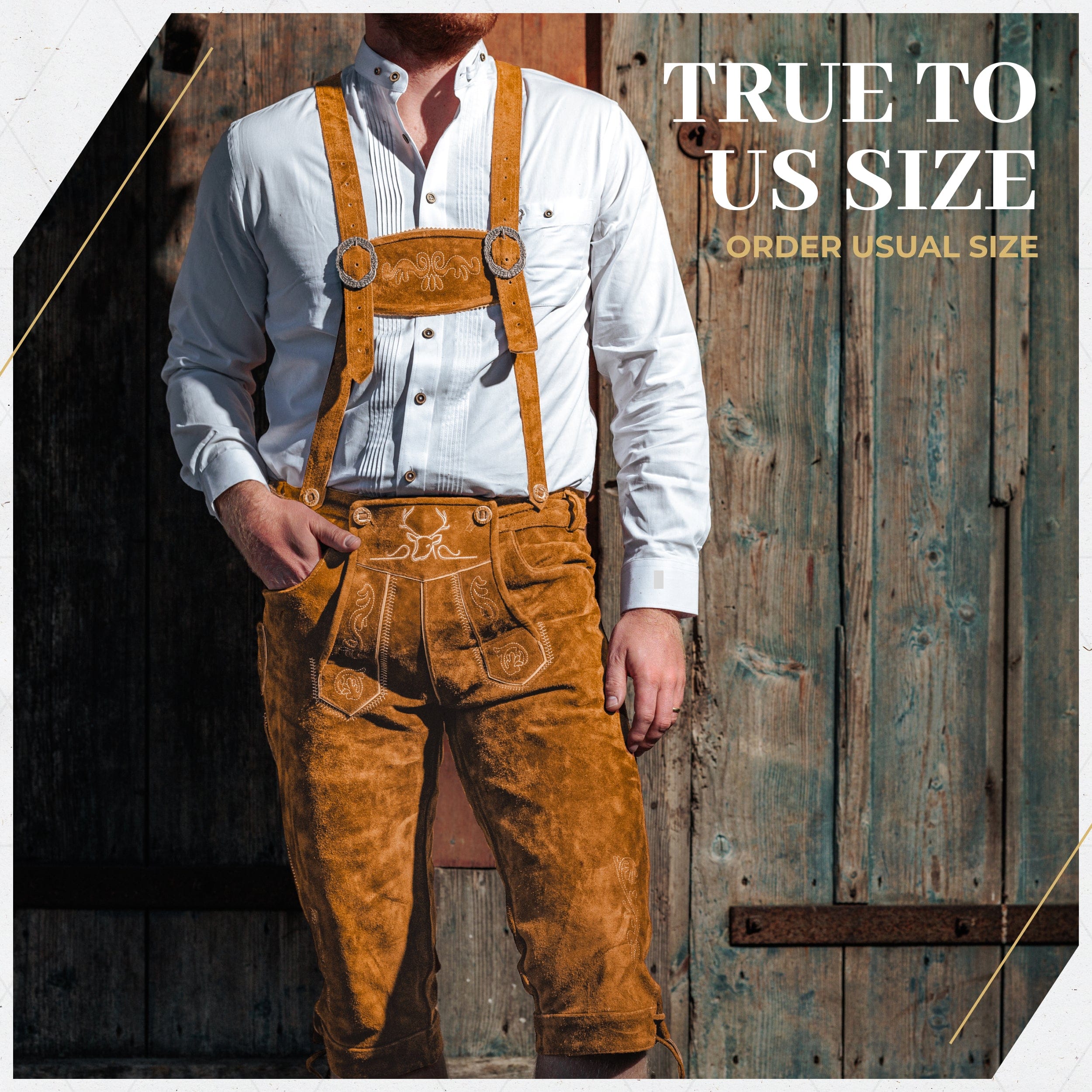
Men's Oktoberfest outfit typically means sturdy, embroidered leather trousers paired with checkered shirts, suspenders, and hiking or festival footwear.
-
Oktoberfest women’s Dirndl outfit usually features vibrant patterns, aprons, blouses with ruffled sleeves, and accessories like necklaces or brooches.
Some general style tips for Oktoberfest:
-
Choose breathable materials—wool and heavy leather can be hot in crowded tents.
-
Be mindful of apron bows on Dirndls (placement historically signals relationship status).
-
Pair with traditional socks and shoes to complete the look.
Many locals mix modern and traditional elements, demonstrating how classic garments adapt to contemporary style.
Conclusion
Whether you choose Lederhosen or a Dirndl, your decision depends on your personal style, the event, and the look you're aiming for. Lederhosen offers a rugged, traditional vibe that’s perfect for outdoor activities and casual gatherings, while Dirndls provide a more elegant, feminine option, often chosen for formal events and festivals like Oktoberfest. Both garments carry deep cultural significance and are iconic symbols of Bavarian heritage.
At Bavarian Trachten, we offer a wide selection of authentic Lederhosen and Dirndls that blend tradition with modern style.
Explore our collection today and find the perfect outfit to celebrate the rich culture of Bavaria.
Bavaria Trachten is all about Oktoberfest, tradition, and showing up in style. With deep German roots, we create authentic Oktoberfest outfits that bring Bavarian culture to life for celebrations across the U.S. and beyond.
Popular Posts
Products mentioned on this page:



Get a $10 store credit for your first order
Products mentioned on this page:


Leave a comment